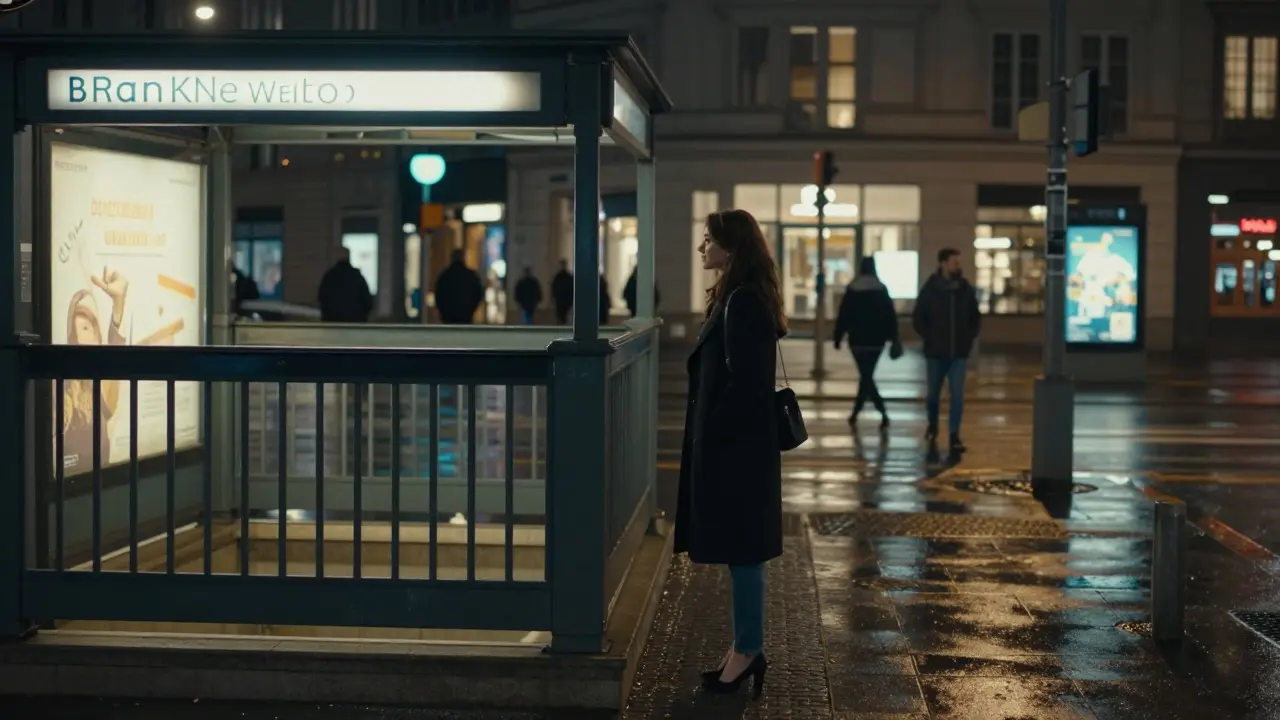
Walking through Berlin’s Mitte district at night, you might see women in heels standing near U-Bahn exits, men in tailored coats waiting by hotel lobbies, or Instagram profiles with soft lighting and vague captions. These aren’t random ads-they’re part of a quiet, billion-euro economy that operates in plain sight but rarely gets talked about honestly. The escort industry in Berlin isn’t what movies or sensational headlines make it out to be. It’s not all glamour or danger. It’s work. Real work. Done by real people with real reasons, under real rules.
It’s Legal-But Not Simple
In Germany, sex work has been legal since 2002 under the Prostitution Act. That means escort services in Berlin aren’t underground operations run by criminals. They’re registered businesses. Women and men can legally offer companionship, intimacy, and sexual services. They pay taxes. They have contracts. They can sue clients who don’t pay. The law was meant to protect workers, not criminalize them.
But legality doesn’t mean safety. Many workers avoid registering because of stigma. They fear landlords kicking them out, family finding out, or employers discovering their side gig. So they work independently, using platforms like EscortList, MyEscort, or private Telegram groups. Others rent rooms in apartments owned by agencies that handle bookings, cleaning, and security. These agencies take 30% to 50% of earnings but offer protection, vetting, and sometimes health checks.
A 2023 study by the Berlin Institute for Social Research found that 68% of independent escorts in the city never registered with the state. Why? Because the paperwork is slow, the stigma is heavy, and the benefits-like access to health insurance-are hard to claim without a formal contract.
Who Are the People Behind the Profiles?
There’s no single type of escort in Berlin. Some are students paying rent. Others are single mothers working nights after daycare. A few are former models or dancers who found the pay better than gigs in clubs. Some are men offering companionship to older clients who crave conversation more than sex. There are also international workers-from Poland, Romania, Ukraine, and Thailand-who come for higher wages than they’d earn at home.
One woman, who asked to be called Lena, told me she started escorting after her husband left and her rent jumped 40%. She had a master’s degree in literature but couldn’t find full-time work. "I didn’t want to beg for welfare," she said. "I didn’t want to lie to my daughter about where I was going at night. So I chose honesty. I work three nights a week. I make €1,800. I pay my rent, my daughter’s tutoring, and save for therapy."
Most clients aren’t creepy old men in suits. They’re engineers, teachers, nurses, and retirees. Many are lonely. Some are curious. A few are just tired of dating apps. One client, a 52-year-old architect from Hamburg, said he booked escorts twice a month for five years. "I don’t need romance," he told me. "I need someone who doesn’t judge me for being quiet, for not knowing how to flirt anymore."
The Business Side: How It Actually Works
Most escorts in Berlin don’t work on the street. That’s outdated and dangerous. Instead, they use apps and websites. Platforms like EscortList and MyEscort let workers create profiles, set prices, and manage bookings. Clients pay upfront via PayPal, bank transfer, or cryptocurrency. No cash on the street. No haggling in alleys.
Prices vary. An hour with a local escort might cost €80-€150. Two hours? €180-€300. Overnight stays go for €400-€800. Foreign workers often charge more-€200-€350 per hour-because clients assume they’re "exotic" or "more professional." Some workers offer add-ons: massage, dinner, travel companionship. Others refuse sex entirely and focus on emotional support. That’s called "companioning," and it’s growing fast.
Agencies operate like small HR departments. They screen clients, schedule appointments, handle complaints, and sometimes provide security. One agency in Kreuzberg, called Velvet Room, employs 14 workers. Their manager, a former escort herself, says their biggest challenge isn’t police-it’s landlords. "We’ve had five apartments evict us because neighbors complained," she said. "No one wants to live next to a brothel, even if it’s legal."

The Hidden Risks: What No One Talks About
Legal doesn’t mean safe. The biggest danger isn’t violence-it’s isolation. Many escorts work alone. No coworkers. No union. No HR department. If a client gets aggressive, they’re on their own. Some use panic buttons connected to friends. Others record every session with voice notes. One worker told me she keeps a fake Uber app open during every meeting. If she taps it three times, her friend gets a location ping and a text: "Need help. Don’t call police."
Health risks are real too. While many escorts get tested monthly, not all do. STD rates among sex workers in Berlin are higher than the general population, but lower than in cities like London or Paris. Clinics like Pro Familia and SexWork Berlin offer free, anonymous testing and counseling. But stigma keeps many away.
Then there’s the mental toll. "You learn to turn off your emotions," said Marco, a male escort who’s been working for eight years. "But sometimes, you forget how to turn them back on. I used to cry after every session. Now I just feel nothing. That’s the worst part."
How the City Really Feels About It
Berlin likes to think of itself as liberal. And it is-up to a point. The city allows strip clubs, sex shops, and brothels. But ask a local resident if they’d want an escort living next door, and the answer changes. In neighborhoods like Prenzlauer Berg or Charlottenburg, residents have pushed for "no escort zones" near schools and parks. In 2024, the city council approved new rules: no advertising on public benches, no soliciting within 100 meters of kindergartens, and mandatory registration for anyone offering services more than five times a month.
Police don’t raid apartments anymore. But they do monitor online ads. If someone posts "private party" or "discreet service," they might get flagged. Some workers have had their accounts shut down by Instagram or Facebook for "inappropriate content," even when nothing explicit was posted.
There’s also a generational divide. Younger Berliners-under 30-are more likely to see escorting as a valid job. Older residents still associate it with exploitation or moral decay. That tension shapes policy, even if it doesn’t reflect reality.
What’s Changing? The Future of Escort Work in Berlin
Two big shifts are happening. First, more workers are moving away from sex and toward companionship. Clients want someone to talk to, to travel with, to share a meal with. That’s changing the business model. Some escorts now offer "date packages"-dinner, museum visit, walk in Tiergarten-for €250. No sex included. It’s growing fast.
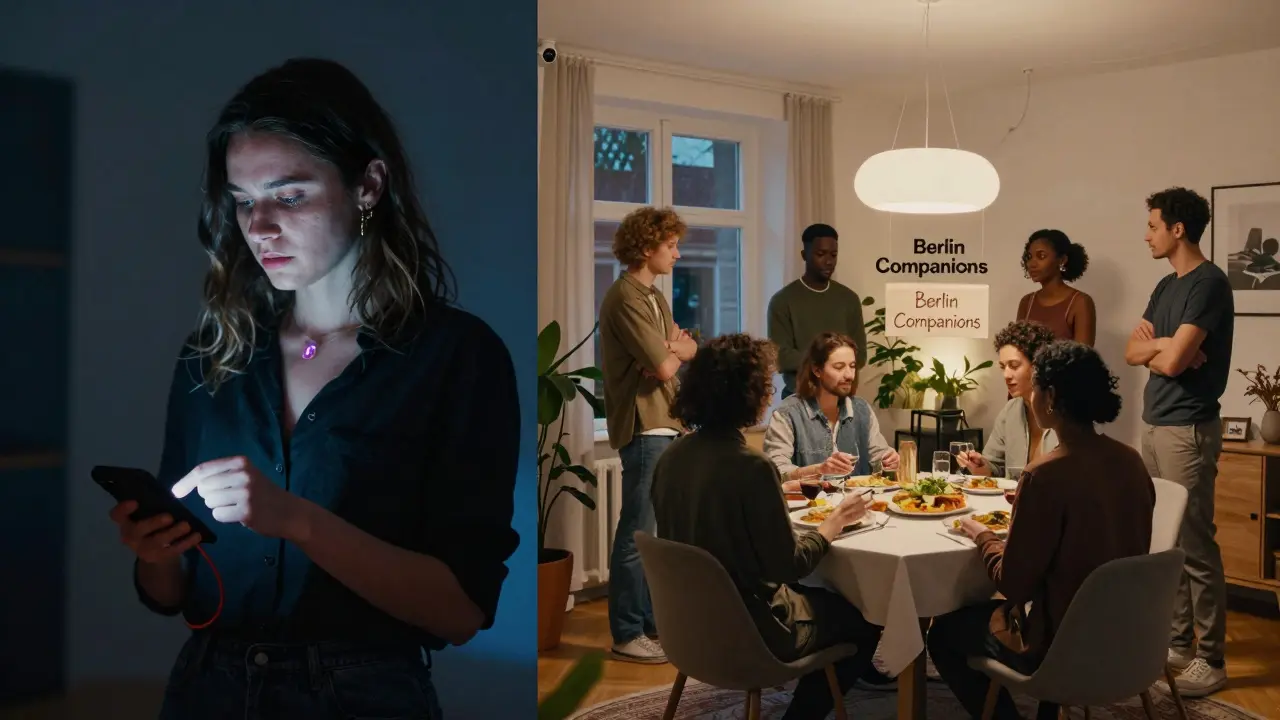
Second, tech is changing everything. AI chatbots are being used to screen clients. Apps now offer encrypted scheduling and digital contracts. Some workers are starting their own cooperatives, pooling resources to rent safe spaces and share security systems. One group, called Berlin Companions, has 27 members and runs a shared apartment with 24/7 security cameras and a panic system. They pay €400/month each for rent and safety.
There’s also talk of unionizing. Not in the traditional sense. No strikes. No picket lines. But a WhatsApp group where workers share client names, warn about dangerous people, and negotiate group rates. It’s informal. But it’s working.
By 2026, experts predict 40% of escort work in Berlin will be non-sexual. That’s not a decline-it’s evolution. The industry is becoming more like high-end concierge services than something hidden in shadows.
Final Thoughts: It’s Not a Choice. It’s a Reality.
People don’t become escorts because they want to. They become escorts because they need to. Rent is high. Wages are low. Benefits are scarce. For many, this isn’t a lifestyle-it’s survival. And in a city that prides itself on freedom, it’s one of the most honest forms of labor left.
The next time you see someone standing near a train station, or scrolling through a profile online, don’t assume. Don’t judge. They’re not a fantasy. They’re a person. Working hard. Trying to get by. Just like you.
Is escorting legal in Berlin?
Yes, escorting and sex work are legal in Berlin under Germany’s 2002 Prostitution Act. Workers can register as self-employed, pay taxes, and sign contracts. However, many choose not to register due to stigma or bureaucratic hurdles. Advertising on public spaces and soliciting near schools is restricted, but private arrangements are fully legal.
How much do escorts in Berlin earn?
Earnings vary widely. Most independent escorts charge €80-€150 per hour, with two-hour sessions ranging from €180 to €300. Overnight stays typically cost €400-€800. Foreign workers often charge more, sometimes up to €350/hour. Those offering non-sexual companionship (dinner, travel, conversation) may charge €200-€300 per date. Agency workers usually keep 50-70% of earnings after fees.
Are escort agencies safe in Berlin?
Some are, some aren’t. Reputable agencies screen clients, provide secure meeting spaces, and offer health checks. They also handle payments and complaints. However, many agencies are unregulated and take up to 50% of earnings. Workers should avoid agencies that demand upfront fees, control personal documents, or isolate them from outside contact. Always research reviews and ask for references.
Can escorts in Berlin get health insurance?
Yes, but only if they register as self-employed and pay into the public health system. Many don’t, due to cost or fear of exposure. Free, confidential STD testing is available through clinics like Pro Familia and SexWork Berlin. These clinics also offer counseling, legal advice, and support groups-no questions asked.
What’s the difference between an escort and a prostitute in Berlin?
Legally, there’s no difference. The term "prostitute" is outdated and stigmatizing. In Berlin, the preferred term is "sex worker" or "escort." Escorts often offer more than sex: companionship, conversation, travel, emotional support. Many clients seek connection, not just physical intimacy. The industry is shifting toward "companioning," where sex is optional and emotional presence is the main service.
How can someone report abuse by a client or agency?
Workers can report abuse to the Berlin Police’s Special Unit for Human Trafficking and Exploitation (SUE). They also have access to anonymous hotlines through NGOs like SexWork Berlin and Pro Familia. These organizations provide legal aid, safe housing, and psychological support. Reporting doesn’t require registration or proof of identity. Many workers use encrypted apps like Signal to share details safely.